What does low cortisol aim mean in Valorant and can a calm setup really improve your aim?
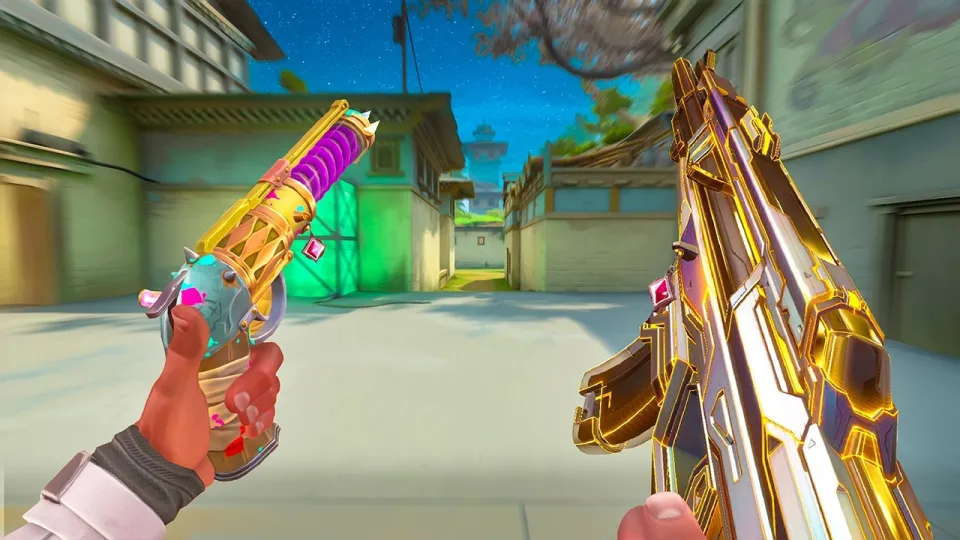
Video: low cortisol aim..
Want articles like this for your own video to promote it on YouTube and Google? Order them through the Telegram bot @sat_sit_bot. It writes articles around your video, embeds the video and publishes them on popular niche websites (no ads). Try it free: 50 articles on us.
· based on the channel Rawzu
Low cortisol aim in Valorant is a calm, unhurried style of crosshair control where the player stops fighting the mouse and lets smooth micro-adjustments do the work instead of frantic flicking. It is not a sensitivity, a mouse or a cheat code; it is a habit built from stable posture, pre-placed crosshair and low physical tension. The term comes from the low-cortisol framing used by creator Rawzu in his Phoenix montage-style clips, and the practical version of it is something any player can train — starting with a stable PC and a setup you do not have to think about, which is exactly what the Hone optimization build for Valorant is aimed at.
What low cortisol aim actually means in Valorant
Low cortisol aim describes aiming that looks boring on purpose: the crosshair arrives where the enemy will be, the wrist stays loose, and there is no panic spray when two opponents appear at once. In practice it is the opposite of the high-energy flick style that dominates highlight reels. The idea is that a player who is physically relaxed makes smaller, more accurate corrections, because tension in the forearm and shoulder adds overshoot to every movement. Rawzu's clips lean into that mood — quiet Phoenix gameplay, smooth tracking, and kills that look almost casual rather than explosive. The name is a joke about stress hormones, but the underlying principle is real: the calmer the input, the more consistent the output. "Calm aim" and "calmest aim" are the same idea under different labels, and they show up in the same search space as low cortisol aim.
The settings behind a calm aim style
A calm aim style still needs a concrete configuration, and Rawzu publishes his. Sensitivity is 400 DPI at 0.625 in-game, which is a low-sensitivity setup — roughly 250 eDPI — that rewards arm movement and small wrist corrections over big flicks. Resolution is 1440x1080, a stretched 4:3-style aspect that widens targets slightly and is common among players who prefer a stable, readable image. The crosshair is 1-6-2-2, a compact dot-and-line style that does not cover heads at distance. Hardware: Logitech G Pro X Superlight 2 mouse, Artisan Zero Soft mousepad and a Zowie XL2566K 360Hz monitor. None of these numbers create calm aim by themselves, but a low eDPI plus a control-oriented pad plus a high-refresh monitor removes three common sources of jitter: over-rotation, inconsistent friction and frame tearing.
How to build low cortisol aim in your own games
You build calm aim by removing reasons to panic, then rehearsing the calm version until it is the default. Five steps that map directly onto the style:
- Lower your effective sensitivity until a 180-degree turn needs a deliberate arm sweep rather than a wrist flick. Rawzu's 250 eDPI is a useful reference point, not a mandate.
- Fix your posture and grip: forearm supported, wrist loose, mouse held without squeezing. Tension is the single biggest cause of overshoot.
- Pre-place the crosshair at head height on every angle you hold, so the shot is a small correction instead of a large flick.
- Practice micro-adjustments in the range against stationary and strafing bots, aiming to stop the crosshair exactly on the head rather than sweeping past it.
- Cap your warmup: ten to fifteen minutes of calm tracking beats an hour of frantic deathmatch that trains the opposite habit.
A control mousepad such as the Artisan Zero Soft helps here because it adds stopping friction, which makes small corrections easier to end precisely. A 360Hz monitor does not make you calmer, but it does remove the visual smear that makes players over-correct.
Why Phoenix suits a calm, low-stress playstyle
Phoenix is an offensive duelist who hunts enemies and denies them the ability to fire back, which sounds aggressive but plays well with calm aim. Blaze creates a wall that blocks vision and damages anyone crossing it, letting Phoenix take open ground without exposing himself. Curveball blinds enemies even behind corners, so the entry does not require a wild flick — you flash, walk in behind the wall, and take a pre-aimed fight. Hot Hands gives self-healing and area denial, and Run It Back lets Phoenix push first and return if the trade goes wrong. The result is a kit that rewards patience: you set the terms of the duel, then win it with a steady crosshair. That is why the agent fits the low cortisol framing so well — the abilities do the stressing so the player does not have to.
Common questions about calm aim and the Rawzu clip
Viewers regularly push back on the calm-aim idea, and the same doubts come up again and again. Here is the practical breakdown.
- "Is this just low sensitivity?" No. Sensitivity is one input. Grip tension, crosshair placement and decision speed matter more, and a low-sensitivity player can still aim frantically.
- "Does the stretched resolution do the work?" 1440x1080 widens models slightly and can feel more readable, but it will not fix panic spraying. It is a preference, not a fix.
- "Why does the gameplay look so slow?" Because calm aim trades speed of movement for speed of decision. The kills look easy because the setup happened before the fight.
- "Do I need a 360Hz monitor and a premium pad?" No. A control pad helps consistency and high refresh helps clarity, but neither substitutes for pre-aim and a relaxed grip.
- "What about the audio moments people react to?" Clips in this style often lean on ASMR-like sound design and quiet editing; the mood is part of the format, not a gameplay requirement.
Useful links
- Optimize your PC for Valorant — the Hone build linked in the video.
- Rawzu's original music on Spotify
- Rawzu's Discord community
The takeaway on low cortisol aim
Low cortisol aim is a trainable habit, not a piece of gear: low eDPI, a loose grip, pre-placed crosshair and short, calm warmups do most of the work. Rawzu's published setup — 400 DPI at 0.625, 1440x1080, crosshair 1-6-2-2, Superlight 2 on an Artisan Zero Soft with a 360Hz Zowie — is a solid reference build for that style, but the behavior matters more than the hardware. Phoenix is a fitting agent for it because Blaze, Curveball and Run It Back let you dictate the fight before the crosshair moves. If you want the same stable baseline, start with the Hone optimization link from the video so stutter and frame drops stop sabotaging your calm. The channel Rawzu is the source of this breakdown and the clip that popularized the phrasing.
Key takeaways
- Low cortisol aim is a Valorant term for calm, unhurried crosshair control instead of frantic flicking.
- Rawzu runs 400 DPI at 0.625 sensitivity, 1440x1080 resolution and a 1-6-2-2 crosshair.
- His gear: Logitech G Pro X Superlight 2, Artisan Zero Soft mousepad, Zowie XL2566K 360Hz monitor.
- The clip is Phoenix gameplay on Icebox, an aggressive duelist built around Blaze, Curveball and Run It Back.
- Calm aim comes from pre-placed crosshair, controlled micro-adjustments and low physical tension, not from a magic sensitivity.
Source: low cortisol aim.. · Markdown version
Questions & answers
What does "low cortisol aim" mean in Valorant?
It is slang for a calm, low-tension aiming style where the crosshair is pre-placed and corrected in small, smooth movements instead of big panicked flicks. The name jokes about stress hormones, but the practice is about relaxed grip, stable posture and controlled micro-adjustments.
What sensitivity and settings does Rawzu use?
Rawzu lists 400 DPI at 0.625 in-game sensitivity, which is about 250 eDPI, on a 1440x1080 resolution with crosshair code 1-6-2-2. His hardware is a Logitech G Pro X Superlight 2, an Artisan Zero Soft mousepad and a Zowie XL2566K 360Hz monitor.
Do I need an expensive mouse and a 360Hz monitor for calm aim?
No. A control mousepad and a high-refresh monitor help consistency and clarity, but they do not create calm aim. Pre-aim, a relaxed grip and short deliberate warmups are what actually reduce overshoot and panic spraying.
Why is Phoenix a good agent for a calm aim playstyle?
Phoenix lets you set the terms of a fight before it starts: Blaze blocks vision and damages anyone crossing, Curveball blinds enemies even behind corners, and Run It Back allows an aggressive first push with a safety net. That means fewer forced flicks and more pre-aimed duels.